
A Guide to Ethical Foraging
Foraging as relationship, not extraction.

If you ask me, there is, or should always be, a strong code of ethics woven through any wildcrafting or foraging. We are not separate from the places we walk. We are as much part of the land as the “weeds” someone once deemed useless.
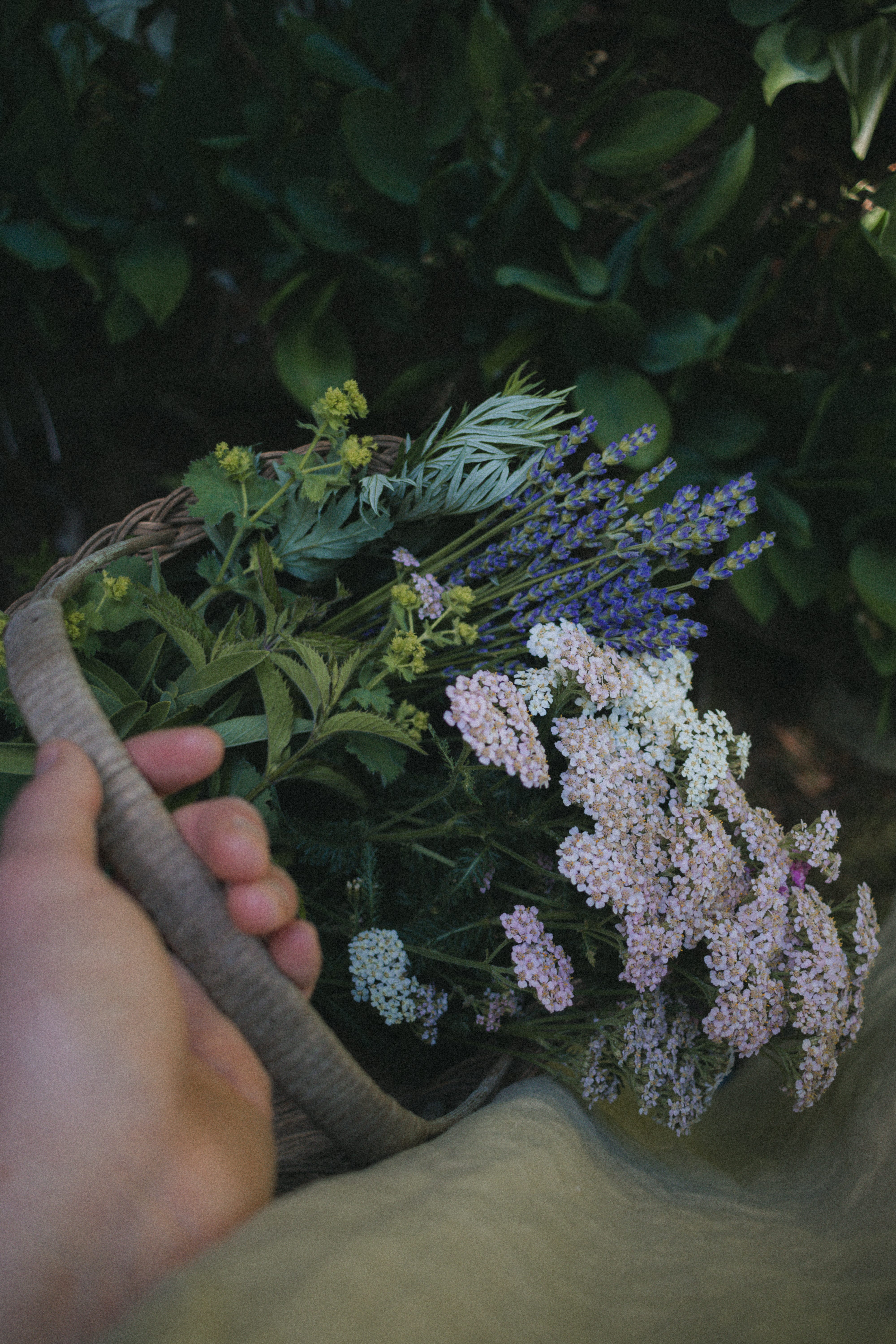
The natural balance is already under pressure. Overharvesting, habitat loss, invasive and non-native species, pollution, and a general lack of respect for boundaries are all taking their toll. None of this is exactly news, but it is the backdrop for every leaf and flower we touch. What we call “sustainable” might be harmful in reality. I see a lot of simple rules floating around social media, and I cannot say I agree with most of them.
Some say: never harvest anything ever.
Some focus only on human safety.
Some say: take no more than 10% of what you find.
Now think this through with me. If everyone who walks that same patch of land takes “only 10%,” how long until that plant community is exhausted? What if the year was already hard on the plants? What if the field that looked “abundant” to you is actually the last stronghold in the area?
The land is here for us, yes. It wants to know us, yes. It can sustain us, absolutely. But the time we live in is not the time of our grandparents or their grandparents. The once-lush commons are now squeezed between monoculture fields, sprayed road edges, drained wetlands, and forests managed like tree farms. What used to be ordinary abundance is, in many places, now the exception. To me, ethical foraging starts with telling the truth about that.


Different Plants, Different Rules
Take wild garlic (Allium ursinum) as an example. In many places, it is no longer the ocean of green it once was. It reproduces slowly, it can struggle under dense shade or competition, and in some regions it is now considered vulnerable or locally endangered. Add to that the pressure from invasive plants like garlic mustard (Alliaria petiolata). Garlic mustard spreads aggressively, smothers woodland floors, and happily takes over the exact kind of moist, shady places wild garlic likes. Ironically, garlic mustard is edible too and can give you a similar culinary experience.
Yet online, you still see baskets overflowing with wild garlic leaves every spring. There is no way to harvest a plant like that responsibly unless you have spent years getting to know your local patches, watched them through good seasons and bad, checked regional conservation lists, and still decide that taking a small handful is truly harmless. Even then: a handful is often plenty.
Garlic mustard, on the other hand, is incredibly invasive in many areas. You would genuinely be doing most ecosystems a favor by cutting a lot of it back, or harvesting a generous amount for the kitchen, as long as you are not spreading its seeds around.
The point is: there is no one single rule that applies to all plants in all places. “Take 10%” is lazy ethics. We can do better.
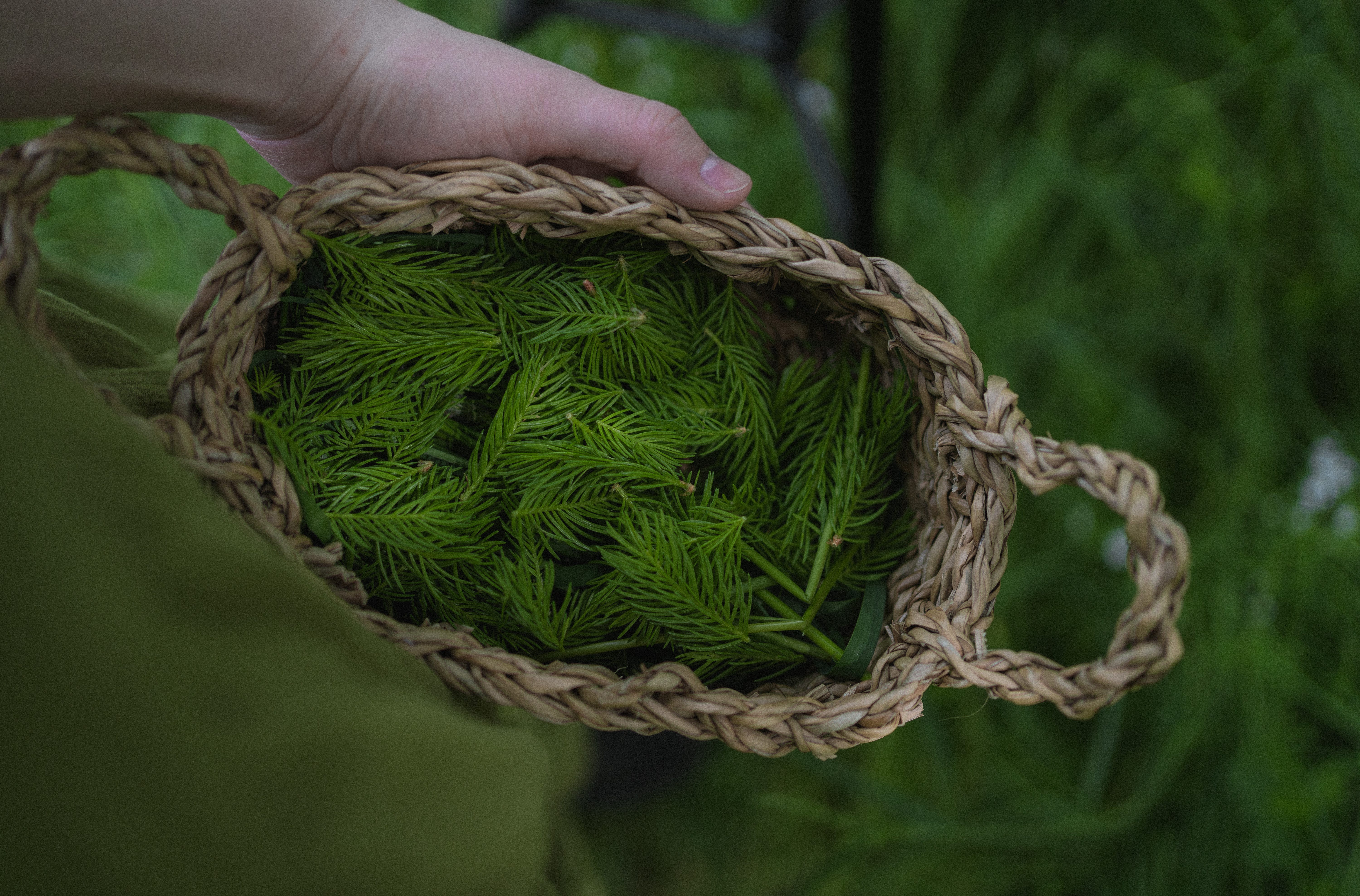
The Relationship Goes Both Ways
The land wants to take care of you. I believe that deeply. There were times when people relied on so-called weeds to survive the hunger gap between winter and spring. Many communities around the world still do. Wild plants are often the original pantry and pharmacy.
At the same time, I have little patience for the “it is there so it is mine” mentality. We have built a culture where we rely on supermarkets, manicured lawns, and imported fruits while ripping out the food and medicine that grows quietly in our own gardens. We strip our yards of dandelions and nettles, spray away plantain and chickweed, and replace them with sterile lawns and ornamental plants that feed neither us nor pollinators. Wild fields are turned into concrete, small vegetable plots and fruit trees are swapped for gravel “gardens.” Then we head to the woods with baskets, wanting the land to make up for what we destroyed at home. There is another way: one that treats foraging as part of a long conversation, not a shopping trip.
Start Close to Home
The safest, most ethical place to begin is often right under your nose.
In your own garden or balcony.
Let some “weeds” grow. See what appears when you stop mowing or pulling everything out for a few weeks.
Learn the plants that volunteer themselves. Many common “weeds” are delicious or medicinal and can be harvested with a clear conscience because you are stewarding that space.
Re-wild patches of your garden with native plants. Plant what you love to harvest, instead of taking it from stressed wild populations.
In your local area
Explore nearby parks, meadows, and forests, ideally a little away from city centers.
Spend a full year just observing before harvesting heavily. Notice what appears in spring, summer, autumn, and winter. Ask yourself: does it feel more abundant or more fragile here?
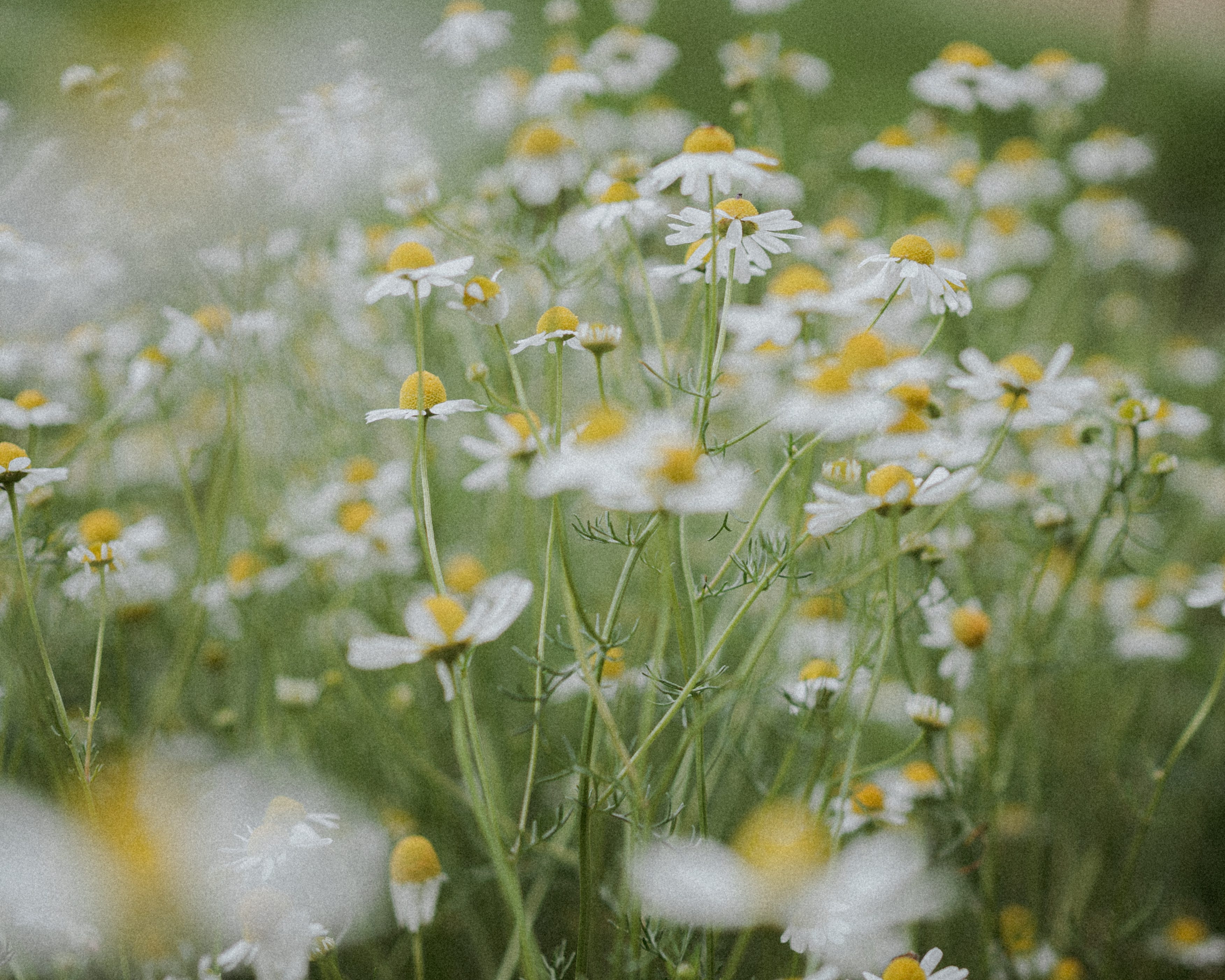
(My) Core Principles of Ethical Foraging
You can think of this as a loose code rather than a rigid checklist. Context always matters.
1. Know the Law and Respect Boundaries
Learn the rules for your region: where foraging is allowed, what is protected, and what is completely off-limits. Some places allow picking for personal use only, some restrict specific species, some ban digging roots entirely.
Respect private property and cultural sites. Do not hop fences or pick from someone’s land without explicit permission.
National parks, nature reserves, and protected areas often require extra caution or total restraint. When in doubt, do not harvest.
2. Learn Who is Endangered (And Who is Invasive)
Check local red lists or conservation resources for endangered, threatened, or vulnerable species. Those are plants you admire with your eyes, not with your basket.
Do not harvest rare plants, even “just a little.” They need every chance to recover.
Learn which species are invasive in your area and how they behave. Some of those can be ethically gathered in generous quantities, as long as you do not spread seeds or roots.
3. Observe Before You Take
Before cutting or picking anything, pause and ask:
How many plants are here really, beyond the first impression?
Does this patch look healthy and spreading, or thin and stressed?
Are there signs that others harvest here already?
Is this the only patch I have seen this year, or one of many?
If a plant is scarce or the stand is small, leave it alone. You can always choose the more abundant species nearby.
4. Wildlife Eats First
You are not the only one who loves berries, nuts, roots, and leaves.
Remember that birds, insects, mammals, and even fungi rely on these plants to live. Your handful of blackberries is not neutral; it comes out of someone else’s winter pantry.
Avoid stripping branches or entire patches. Leave plenty of flowers for pollinators and fruits for wildlife, especially in hard years.
If a plant is critical for nesting, cover, or food at a certain time, consider skipping it entirely that season.
5. Harvest Lightly, Even When It Is “Abundant”
Forget rigid percentages. Think in terms of generosity.
Take less than you think you need. You can always come back or supplement with cultivated herbs.
Spread your harvest out. Instead of picking one plant clean, take a little from many, and only where they are truly thriving.
With perennial plants, favor leaves and flowers over roots, since roots often kill the whole plant. If you do harvest roots, do it extremely sparingly and never from small or struggling patches.
6. Use Kind, Clean Techniques
Use sharp, clean tools to avoid tearing stems or spreading disease.
Cut in a way that allows the plant to regrow where possible, and avoid damaging buds or new growth.
Do not trample surrounding vegetation. Walk gently, stay on existing paths when you can, and step on bare soil or stones instead of moss or seedlings.
7. Be Honest About Contamination
Stay away from busy roadsides, industrial land, dog toilet zones, and fields that might be sprayed with pesticides or herbicides.
Be wary of old railway lines, former industrial sites, or mystery rubble piles. Heavy metals and pollutants are not visible in a pretty leaf.
When in doubt, do not harvest from that area. Your body deserves better than “maybe it’s fine.”
8. Learn Before You Eat
Identify plants with 100% certainty before putting anything in your mouth or medicine cabinet. “Probably” is not good enough.
Cross-reference multiple field guides and reliable sources. Take good photos, make notes, and compare key details like leaf arrangement, flower structure, scent, habitat, and season.
Teach yourself slowly. Focus on a few common, easy-to-recognize plants each year instead of trying to meet everyone at once.
9. Leave No Trace (Or Leave It Better)
Do not leave holes, shredded plants, or bare soil behind. When you leave, it should look like you have not been there at all.
Take any trash you find with you. Clearing a handful of plastic from a hedgerow is a simple act of reciprocity.
If you accidentally uproot or damage something, do what you can to help: replant, cover exposed roots, or simply step away and let it recover.
10. Share Wisely
Be mindful about geotagging or publicly sharing exact locations of rare or sensitive species. Not everyone will harvest as gently as you.
When you teach others, teach the ethics alongside the recipes. “Here’s how I made this syrup” should come with “Here’s why I barely harvested and how I checked that it was safe to do so.”
Ethical foraging is not a fixed set of rules (even if it reads like it). It is a relationship that deepens over time. Start close to home. Pay attention. Let yourself be changed by what you learn. Some years the most ethical choice is to harvest very little and plant more. Sometimes the kindest thing you can do for a plant is to sit beside it, learn its name, and leave with empty hands.
And maybe that is the heart of it: to remember that we are not owed anything by the land. We are invited into a reciprocity that asks us to take less, notice more, and act as if we plan to share this place with countless others, for a very long time.
🌱 See you where the wild things are,
Allie
Lovely to hear a more holistic approach that values proper research and contextual analysis of the local landscape. One of my favorite invasive species to forage is Japanese knotweed. A huge problem in Europe and North America and actually very delicious and nutritious! You probably know it. 🥰
This is awesome. The only exception I can think of to the wildlife part, though, is if someone is in dire need. I feel they would take priority over the animal. But for hobby foraging, I understand.